

What to Expect When Working With a Professional Remodeling Contractor
Hiring a professional to guide a renovation project is a major decision for any homeowner. Whether the goal is to update a kitchen, modernize a bathroom, or undertake a full-scale home transformation, understanding the process in advance helps set realistic expectations and reduces stress. Working with a remodeling contractor is not simply about hiring someone to perform construction tasks; it is about entering a collaborative relationship that balances design goals, budgets, timelines, and technical requirements. Homeowners who know what to expect are better prepared to communicate effectively, make informed decisions, and navigate inevitable challenges that arise during remodeling. By understanding each phase of the relationship, from early planning to completion, homeowners can approach their projects with confidence and clarity.
Establishing Initial Consultation and Project Goals
The first stage of working with a remodeling contractor typically begins with an in-depth consultation. This meeting allows homeowners to explain their vision, priorities, and functional needs while giving the contractor an opportunity to assess the property and discuss feasibility. During this phase, clear communication is essential. Homeowners should be prepared to discuss how they use the space, what improvements they hope to achieve, and any constraints related to budget or timing. A skilled remodeling contractor listens carefully, asks clarifying questions, and offers professional insights that help refine the scope of work.
This initial exchange is also an opportunity to evaluate compatibility. Homeowners should feel comfortable asking about experience, past projects, and work processes. A transparent discussion builds trust and sets the tone for the entire project. Expectations around communication frequency, decision-making authority, and problem resolution should be addressed early. When both parties align on goals and working styles, the foundation is laid for a productive and professional relationship.
Developing Detailed Plans and Design Concepts
Once project goals are established, the planning and design phase begins. This stage translates ideas into concrete plans through drawings, layouts, material selections, and technical specifications. A remodeling contractor often collaborates with designers, architects, or engineers to ensure that the proposed changes meet structural requirements and local building codes. Homeowners should expect several rounds of revisions as ideas are refined and adjusted to balance aesthetics, functionality, and cost.
During this phase, attention to detail is critical. Decisions about finishes, fixtures, cabinetry, and layout have long-term implications, so homeowners are encouraged to take time reviewing options. Clear documentation helps prevent misunderstandings later in the process. A professional remodeling contractor provides guidance on material durability, maintenance considerations, and cost implications, helping homeowners make choices that align with their lifestyle and budget. Thorough planning at this stage minimizes surprises once construction begins.
Managing Budgets, Contracts, and Timelines
A clear understanding of financial and contractual terms is essential when working with a remodeling contractor. After plans are finalized, homeowners typically receive a detailed estimate outlining labor, materials, and associated costs. This document should specify what is included, what may be considered an allowance, and how changes will be handled. Transparency in pricing allows homeowners to make informed decisions and reduces the likelihood of disputes. It also helps prevent budget overruns by clarifying expectations before construction begins and identifying areas where cost adjustments may be possible.
Contracts formalize the agreement and protect both parties. They generally outline payment schedules, project milestones, warranty information, and procedures for addressing unforeseen issues. Homeowners should review contracts carefully and ask questions before signing to ensure they fully understand their responsibilities and rights. Timelines are also discussed at this stage, including projected start dates, completion goals, and potential factors that may affect scheduling. According to Money Saving Parent, a full home remodel generally takes anywhere from six months to a year or longer, depending on the scope and complexity of the project. Understanding this timeframe helps homeowners plan for disruptions, temporary living adjustments, and realistic expectations for completion.
Coordinating Construction and Daily Operations
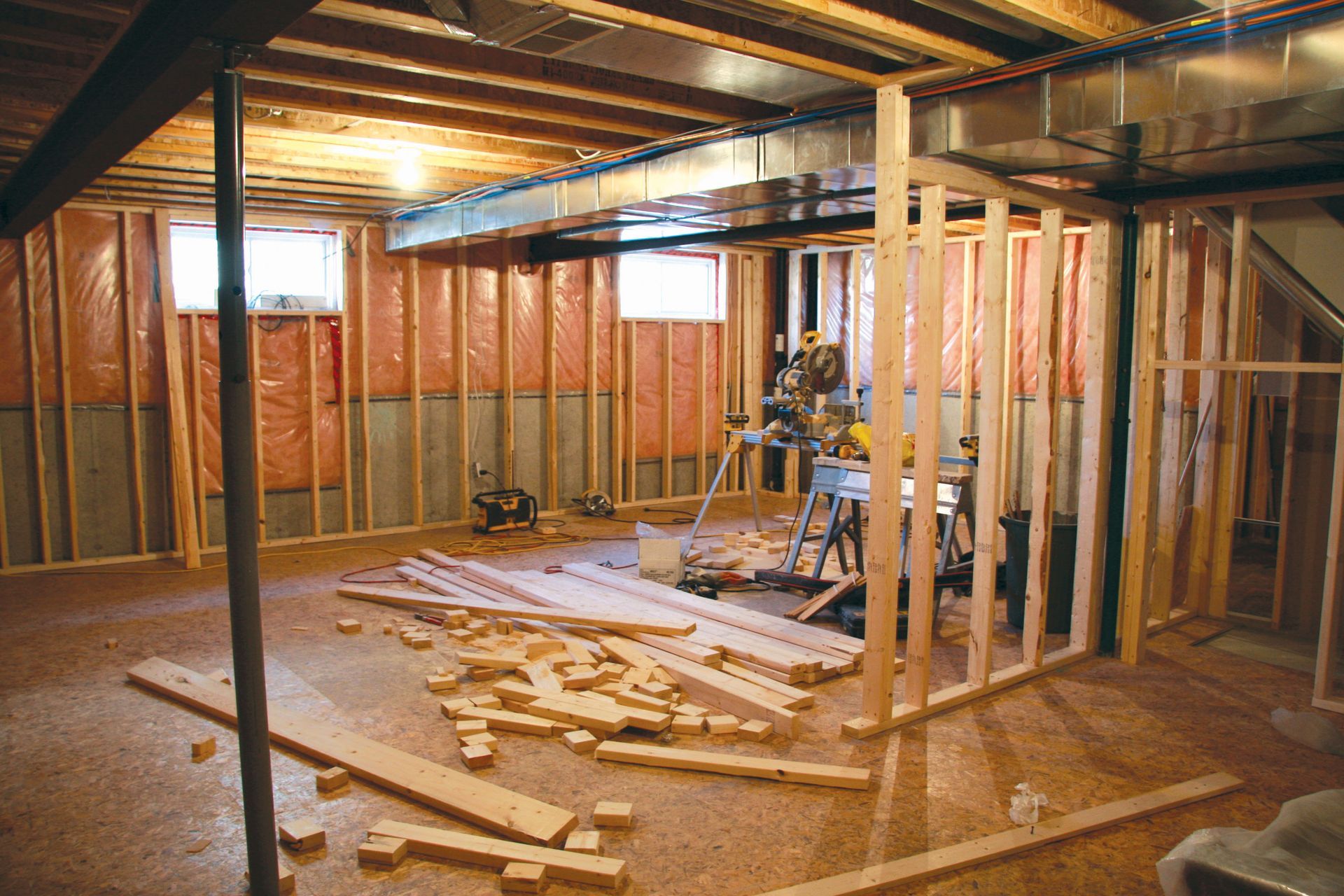
The construction phase is where plans become reality, and it is often the most visible and disruptive part of the process. A remodeling contractor is responsible for coordinating trades, managing schedules, and ensuring work is performed according to specifications. Homeowners should expect regular updates on progress and any issues that arise. Clear communication during this phase helps maintain momentum, keeps expectations aligned, and allows concerns to be addressed promptly before they escalate into larger problems.
Daily operations may involve noise, dust, and limited access to certain areas of the home, particularly during demolition or major structural work. A professional remodeling contractor takes steps to minimize inconvenience by maintaining a clean worksite, protecting existing structures, and adhering to agreed-upon working hours. This may include sealing off work zones, managing debris removal, and scheduling inspections efficiently. Homeowners can support the process by remaining flexible and responsive when decisions are needed, especially when timelines depend on approvals or material selections. Mutual respect and cooperation contribute to a smoother construction experience and help keep the project on track.
Navigating Changes and Unexpected Challenges
Even with thorough planning, remodeling projects can encounter unexpected challenges. Hidden structural issues, material delays, weather conditions, or evolving design preferences may require adjustments to the original plan. When these situations arise, a remodeling contractor plays a critical role in problem-solving and communication. Homeowners should expect prompt notification of issues, along with clear explanations of available options and the potential impact on cost, schedule, or materials. Early communication allows decisions to be made before minor complications turn into larger setbacks.
Change orders are commonly used to document modifications to the scope of work. These written agreements help maintain transparency and ensure that both parties understand the implications of changes before additional work begins. A professional remodeling contractor approaches challenges with a solutions-oriented mindset, offering practical recommendations while respecting the homeowner’s priorities and long-term goals. Flexibility, patience, and informed decision-making are essential during this phase. Maintaining open communication and a collaborative attitude helps keep the project moving forward efficiently despite obstacles and reinforces trust throughout the remodeling process.
Ensuring Quality Control and Project Completion
As construction nears completion, attention shifts to quality control and final details. A remodeling contractor conducts inspections to ensure work meets agreed-upon standards and complies with applicable codes. Homeowners are typically invited to participate in a walkthrough to identify any remaining issues or adjustments needed before final payment. This process allows both parties to confirm that expectations have been met.
Punch lists are commonly used to track minor corrections or finishing touches. Addressing these items promptly demonstrates professionalism and commitment to quality. Once all work is completed, homeowners may receive documentation related to warranties, permits, and maintenance recommendations. A thorough closeout process ensures that the project concludes on a positive note and that homeowners feel confident in the results delivered by their remodeling contractor.
Maintaining Long-Term Value and Professional Relationships
The relationship with a remodeling contractor does not necessarily end when construction is complete. Many homeowners find value in maintaining contact for future projects, maintenance questions, or referrals. A positive experience is built on trust, communication, and quality workmanship. Homeowners who understand what to expect throughout the process are better positioned to achieve results that enhance both comfort and property value.
By approaching remodeling as a partnership rather than a transaction, homeowners can navigate the complexities of renovation with greater ease. Clear expectations, thorough planning, and professional collaboration contribute to outcomes that align with both vision and investment. Call J Severino Construction today to schedule your construction or remodeling consultation.



Share On: